
From Minnesota to the Ocean: How UMD’s Marine Biology Study Abroad Program is Growing Future Scientists
This article was originally published in the April 2026 print edition of The Bark, distributed at the University of Minnesota Duluth campus.
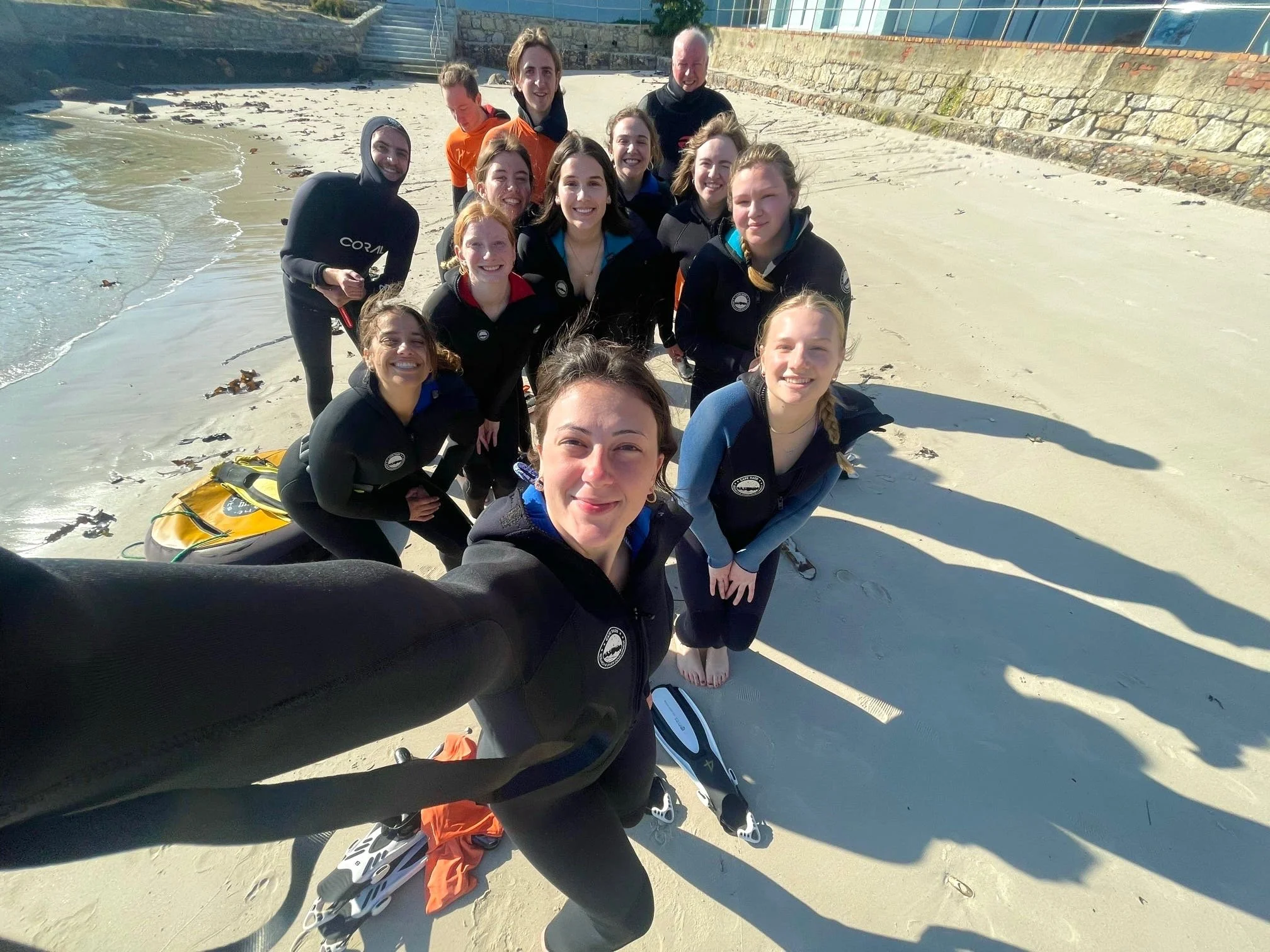
Photo courtesy of Hope Robey
For many students at the University of Minnesota Duluth, studying marine biology might seem out of reach – after all, the nearest ocean is thousands of miles away. But for senior biology major Hope Robey, one study abroad experience changed everything.
“This study abroad experience was, hands down, the best thing I have ever done for my education here at UMD,” Robey said.
Robey was part of the first group of students to travel to South Africa through UMD’s Field Studies in Marine Biology course, led by Professor Allen Mensinger. What began as an opportunity to explore an interest quickly became something more transformative.
“Prior to going on this trip, I was very on the fence about whether a career in marine biology was a realistic choice,” Robey said. “However, after going on this trip, I am confident that marine biology is the career for me.”
Mensinger, who has spent more than 30 years conducting research at marine laboratories, designed the program to give students access to experiences that are otherwise difficult to find in a landlocked state.
“I wanted to provide opportunities for students to experience the marine environment and understand how research is conducted and what a rewarding career in marine biology can be,” Mensinger said.
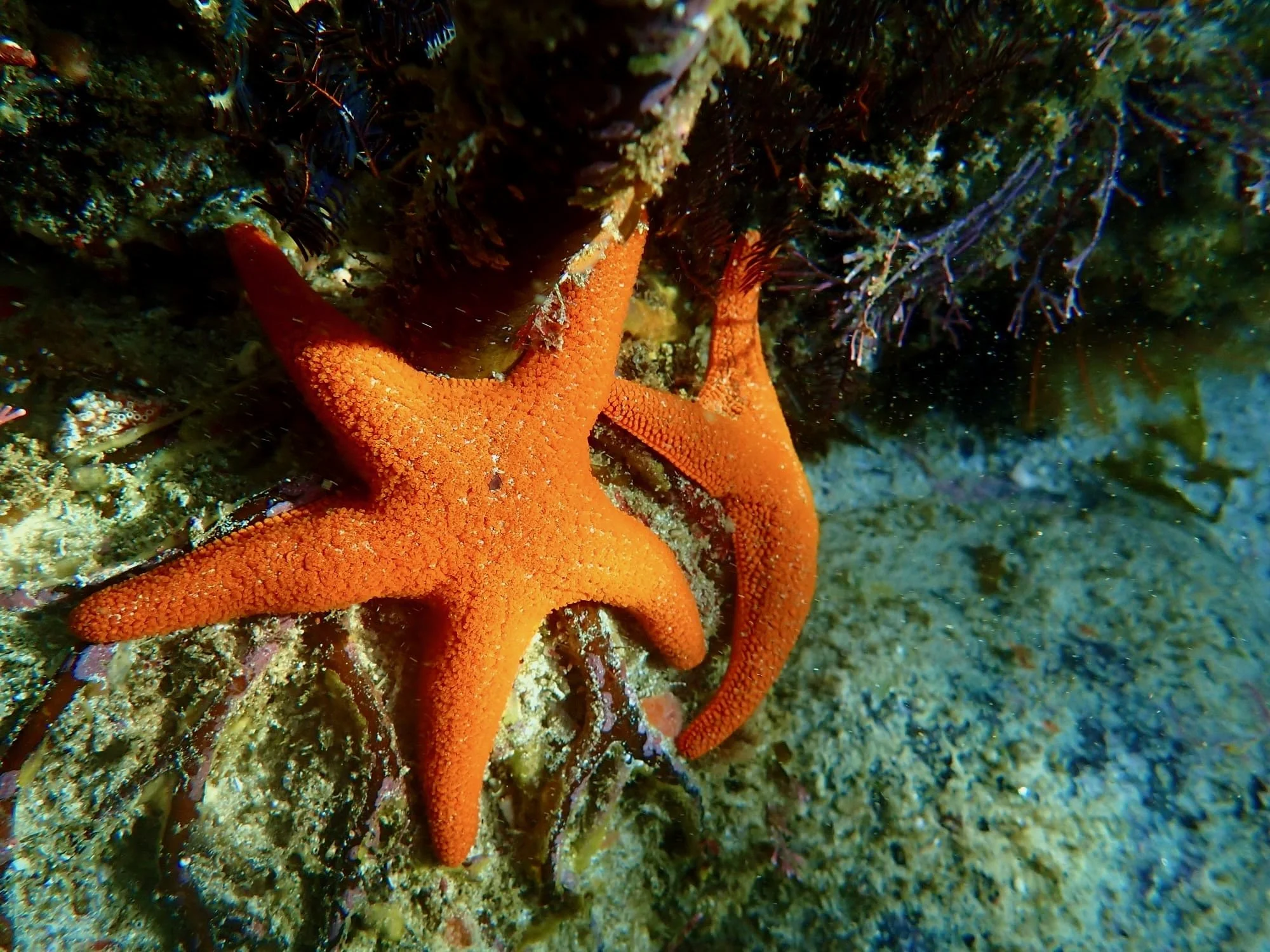
Photo courtesy of Hope Robey
Over the years, the program has expanded to include locations such as New Zealand, South Africa and Friday Harbor, Washington, giving students exposure to a wide range of marine ecosystems and global perspectives. Unlike traditional courses, the marine biology study abroad program emphasizes immersive, hands-on learning.
“There are very few lectures,” Mensinger explained. “Most activities are geared for field exploration with supporting laboratory activities.”
Students might spend their days snorkeling in marine reserves, exploring intertidal pools, studying estuaries, or observing wildlife in protected environments. In New Zealand, for example, participants explore temperate reefs, mangrove forests and coastal ecosystems while encountering species rarely seen elsewhere. For Robey, this approach made all the difference.
“This program offers opportunities and hands-on experiences that just aren’t possible in a traditional classroom setting,” she said. “As scientists, our ability to understand and face challenges depends heavily on our real-world experience.”
Beyond the unforgettable environments, the program provides students with tangible academic and professional benefits.
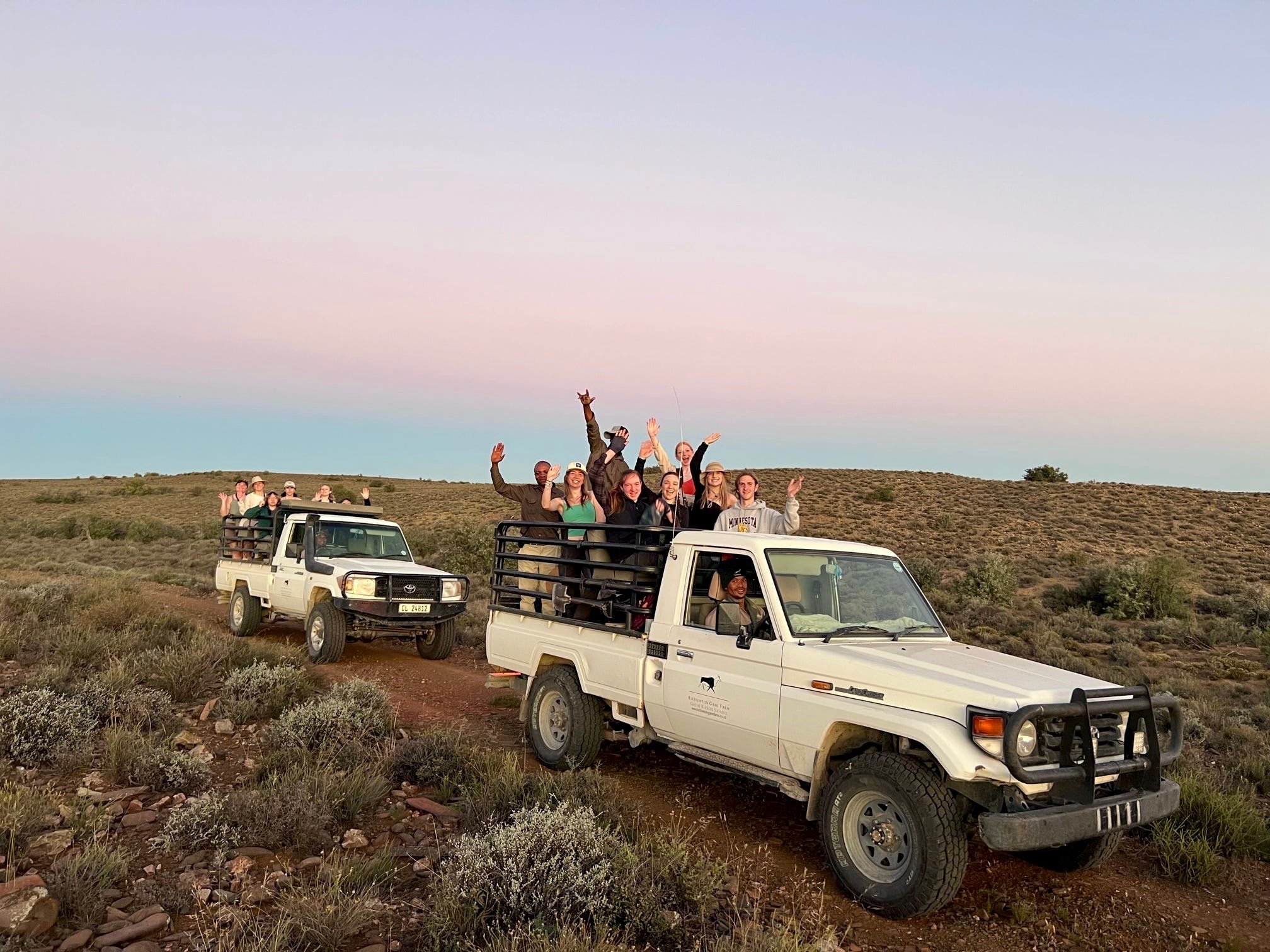
Photo courtesy of Hope Robey
“This course gave me important field experience that will be vital for my future career as a marine biologist and helped me to create a network of individuals who may support me moving forward,” Robey said. “I am now very eager to begin my professional journey, knowing that my skills in the field are strong.”
Mensinger emphasizes that this kind of experiential learning is essential to understanding marine biology as a discipline. The field itself is deeply interdisciplinary, combining biology with oceanography, chemistry and physics to better understand how marine systems function.
“Without understanding the marine environment, it is impossible to understand how animals interact with the aquatic world,” Mensinger said.
In addition to academic growth, students form meaningful connections throughout the program. Living and learning together in an immersive environment fosters collaboration and lasting relationships.
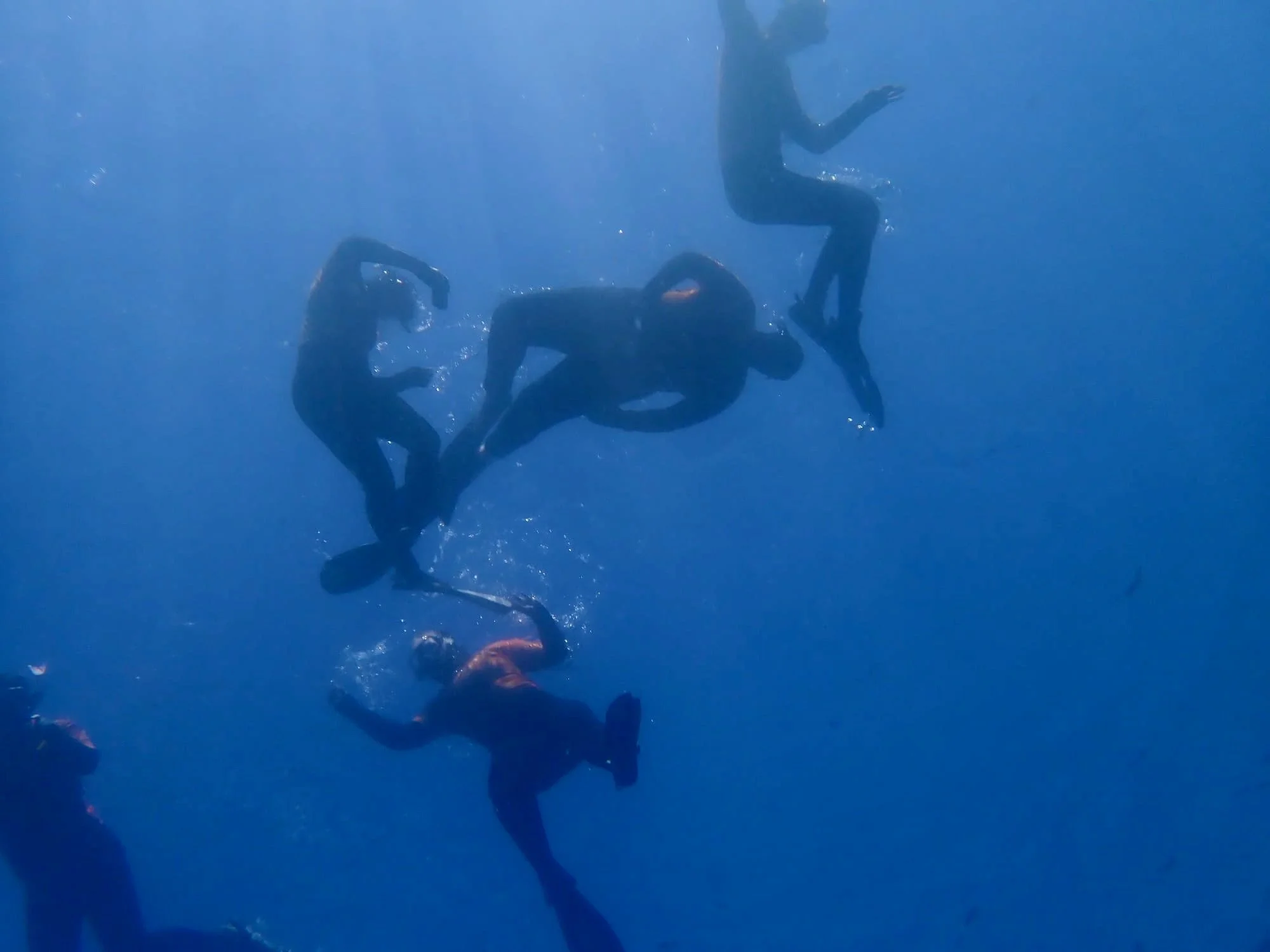
Photo courtesy of Hope Robey
“Not only did the course provide me with valuable experience and professional connections, but it also allowed me to build relationships with other students and faculty interested in marine biology,” Robey said. These connections often extend beyond the trip itself, creating a network of peers and mentors that supports students as they move into careers or further study.
Both Mensinger and Robey emphasize that the importance of marine biology extends far beyond the classroom—or even the ocean. Marine science plays a critical role in addressing some of the world’s most pressing challenges, including climate change, ocean acidification, and biodiversity loss.
“Marine biology helps us to understand how oceans regulate climate, support biodiversity, and provide food for billions of people,” Robey said. “All together, these natural sciences provide us with the knowledge needed to monitor environmental problems, create sustainable practices, and ensure the long-term health of the planet.”
Despite its global scope, the program is designed to be accessible to a wide range of students. Enrollment is open to students at any stage of their academic journey, from freshmen to recent graduates, and requires only an introductory biology course.
Mensinger also intentionally removes traditional barriers to participation. “All students are treated equally and enrollment is on a first come basis,” he said. “GPA is not a factor and students at any stage of their career are welcome.”
While cost remains a challenge, the program’s inclusive structure encourages students from diverse backgrounds and academic interests to participate—even those outside of the biology major. For students like Robey, the impact of the program goes far beyond a single semester.
“A degree might open the door, but it’s your experience that truly shapes you as a biologist,” she said. “I think programs like this really help students develop the skills and perspective needed to take on future challenges.”
As UMD continues to expand its marine biology study abroad offerings, one thing remains clear: for students willing to take the leap, the experience can be transformative—both in and out of the water.