University of Minnesota System-Wide Budget Cuts
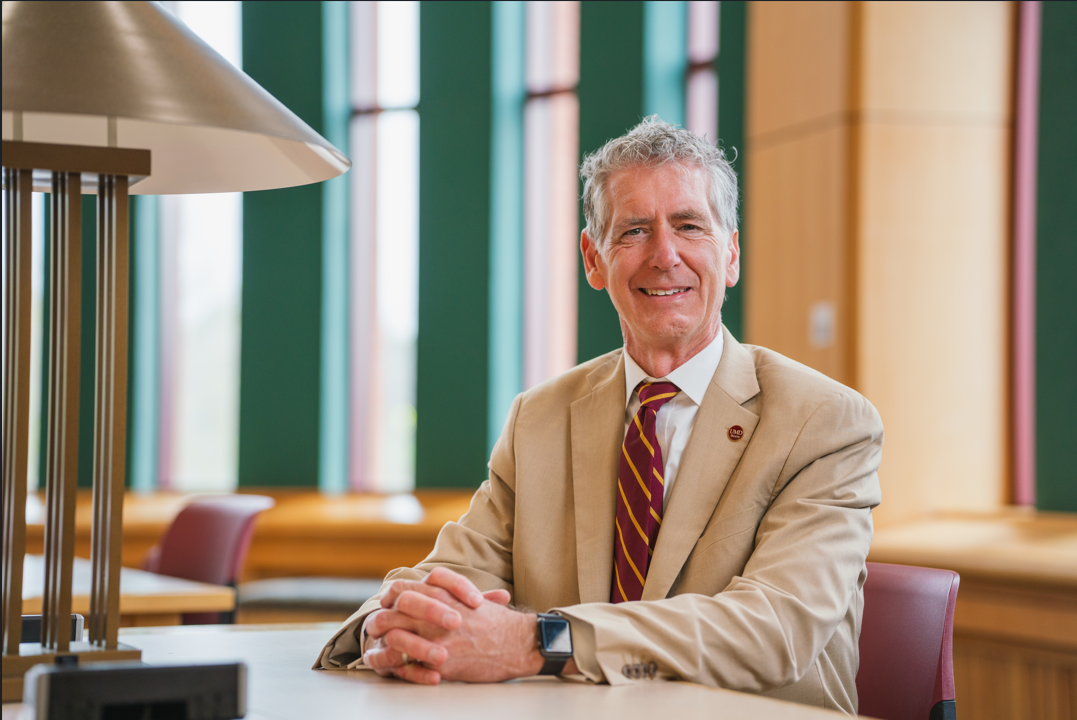
Credit: UMD
In September, University officials at UMN announced that they plan to cut the University’s budget by $225,000,000 (equal to 12% to 15% of the U’s overall budget) across all five campuses over the next two years, and simultaneously raise tuition. The University of Minnesota launched a new website called ‘Unit Reduction Targets’ which addresses where the reductions will be taking place, with UMD getting a $17-19 million dollar budget cut. So the ‘million dollar’ question is — how will this affect students and faculty at UMD and the U of M system as a whole?
“There is simply no way around it but through it,” President of UMN Rebecca Cunningham said at the annual State of the University address on October 6. “If we’re committed to having affordable tuition and to fairly compensate our workers, then as we announced in September, we must reduce our expenses significantly over the next two years.”
Cunningham explained that there are a multitude of challenges that lead the university to making these cuts, including a decline in state and federal funding, rising costs and fewer international students.
She also explained that higher education has changed — attendance to the University has seen a decline known as the “enrollment cliff,” an event that is happening all around the country. This “enrollment cliff” paired with workforce needs has changed the amount of college students rolling into Minnesota colleges, meaning that funding must decrease significantly to ensure a working university.
“We know the inflationary cost of running the University is going up by 3-4% annually,” Chancellor Charles Nies said in an interview with The Bark on October 20. “We’re committed to salary increases for employees so that they can also afford groceries and other things that they need. When you increase salaries, you also have to increase benefits. And on top of increasing those benefits, healthcare costs are going up dramatically across the country.”
The Chancellor explained that these increases will create a “shortfall” for the university because allocation from the State has stayed flat for the past 4 years, with anticipation for it staying flat the next two years as well. This means 6 years total with no increases from the State while UMD is growing a 12% increase in their spending annually.
“We have to figure out how to reduce our spending so we can continue to increase salaries for our employees, we can continue to keep the lights on — all those pieces,” Nies said.
Decisions on where spending will be reduced at UMD will not be finalized until March of 2027. However, the Chancellor will have a preliminary discussion with President Cunningham in December to go over conversations that have been had at the UMD campus. So far, there was an initial conversation in September with the Department Heads about how they can collaborate with other U of M campuses to ensure that students can still take the necessary and elective courses that will allow them to earn their degrees without interruptions. Plans are still in the works for how this will be achieved.
“We are going to be committed to the student experience, and that discovery that comes through research and learning,” Nies said. “That is going to continue to be our guiding principle and our focus. As we make some of these scope reductions, we’re going to continue to look at how we ensure our commitment to that student-centered research university still exists and that you have an amazing educational experience here at UMD.”
Because of the extensiveness of the budget cuts, we will have a longer article dedicated to this available in our November Print — to be released soon.