
Learning About Earthworms With Helena Carlson
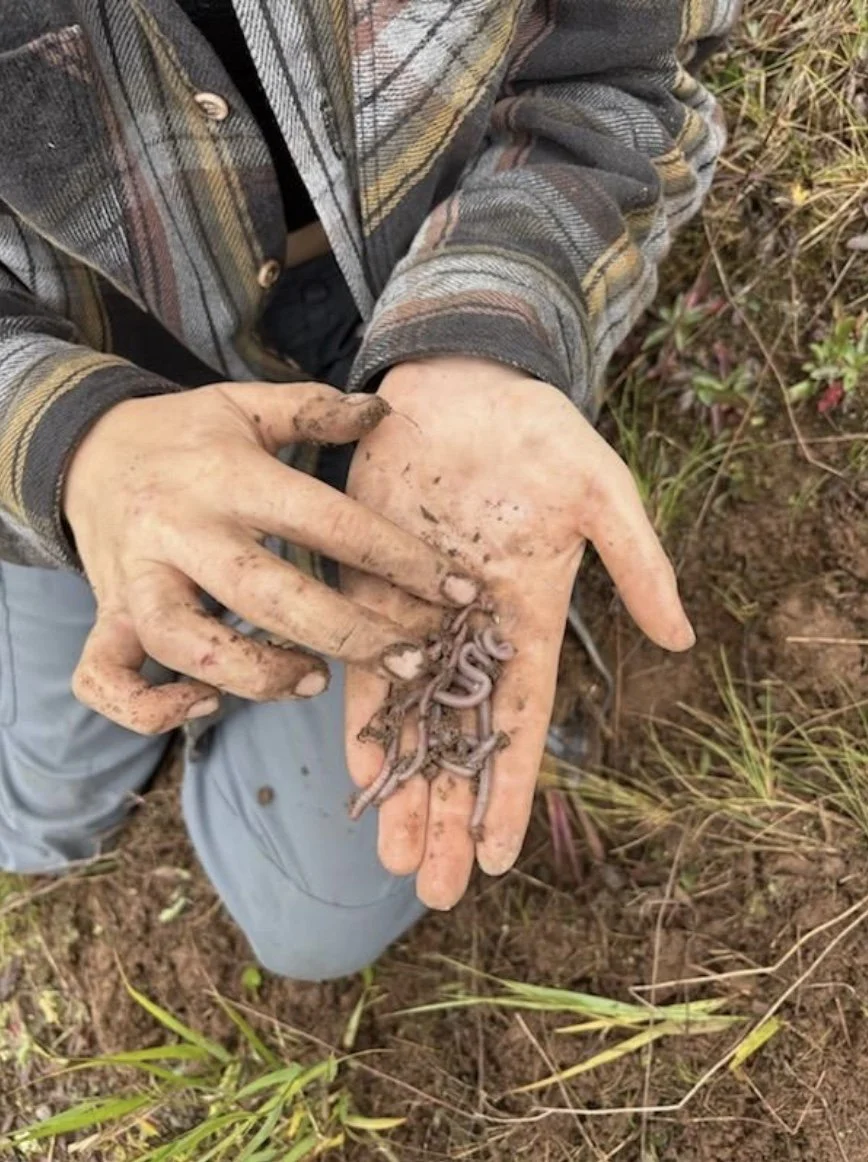
Photo courtesy of Helena Carlson
Earthworms – they arrived on ships in the 1600s and have since been defenders against erosion and promoters of soil health, largely through decomposing organic materials.
Yet even the worm must remember, ‘everything in moderation.’
Helena Carlson, President of UMD’s Students Against Invasive Species club, and an Undergraduate Research Opportunities (UROP) student, is digging into the effects of over-decomposition by earthworms on our native forests.
These decomposers are known for their many environmental contributions to the soil they inhabit. Their tunnels promote ease of air and water flow through the ground, and their decomposition of organic material nourishes the soil.
“The problem is,” Carlson stated, “they are too good at decomposing; the way that our forests evolved was without them.”
It is not commonly talked about that the earthworm is an invasive species. Carlson reflected on learning about worms as a kid, how everyone talked about the great benefits they had on soil and the environment.
“Earthworms actually came from Europe in the 1600s through ballast water, which is the stuff that balances the boats,” Carlson explained.
So what are the effects of too much decomposition? Imagine walking through a forest in autumn. The leaves have all fallen and now coat the forest floor, ripe for decay. Earthworms then come along and break down the organic material into fertilizer, rich with nutrients.
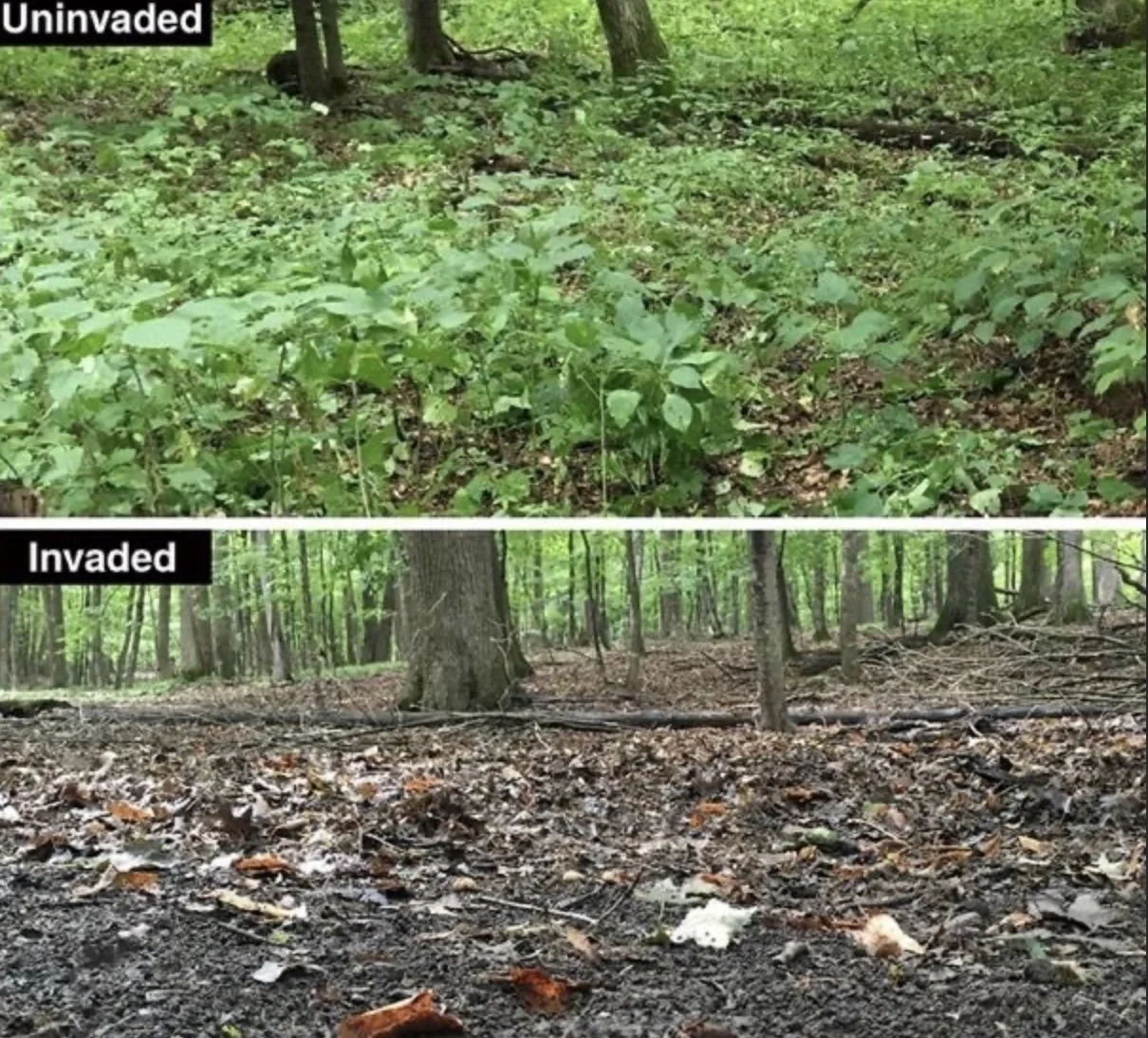
Photo courtesy of Frontiers for Young Minds
However, many native plants in the forest depend on this layer of leaf litter for help in planting their seeds.
“It’s super important for our native plants to have that material so it’s easy for their seeds to embed into the soil and the roots to grow,” Carlson remarked.
Without that protective layer, it becomes more difficult for new plants to grow.
Through UROP, Carlson is studying the relationship between the effects of these earthworms and the proximity of boat launches.
“That’s a major point of invasion – fishermen dropping their bait into the water, that kind of stuff,” Carlson said.
Research by Carlson mainly takes place at UMD’s Boulder Lake Environmental Learning Center. Here, she picks a spot to work in and begins looking at the plants that grow there.
“I count every single leafy stem there is,” she explained.
Once she has counted and identified the plants, Carlson examines the contents of the soil with a soil corer. Then, she pours mustard water all over the ground of the site. A chemical in the mustard irritates the earthworms’ skin, causing them to come up toward the surface. After 15 minutes have passed, Carlson digs out and counts the worms.
Carlson’s work requires a patience that comes with the drive for learning and discovery, and attributes valuable to many in scientific professions.
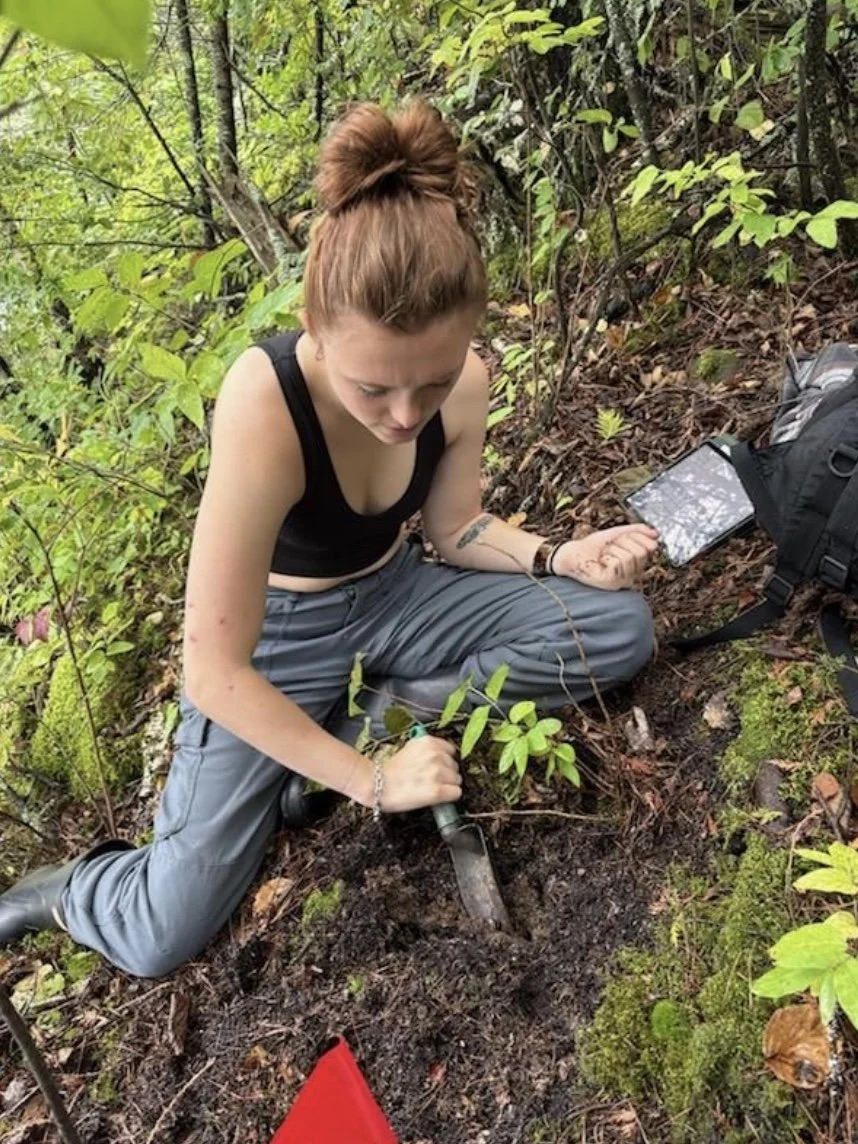
Photo courtesy of Helena Carlson